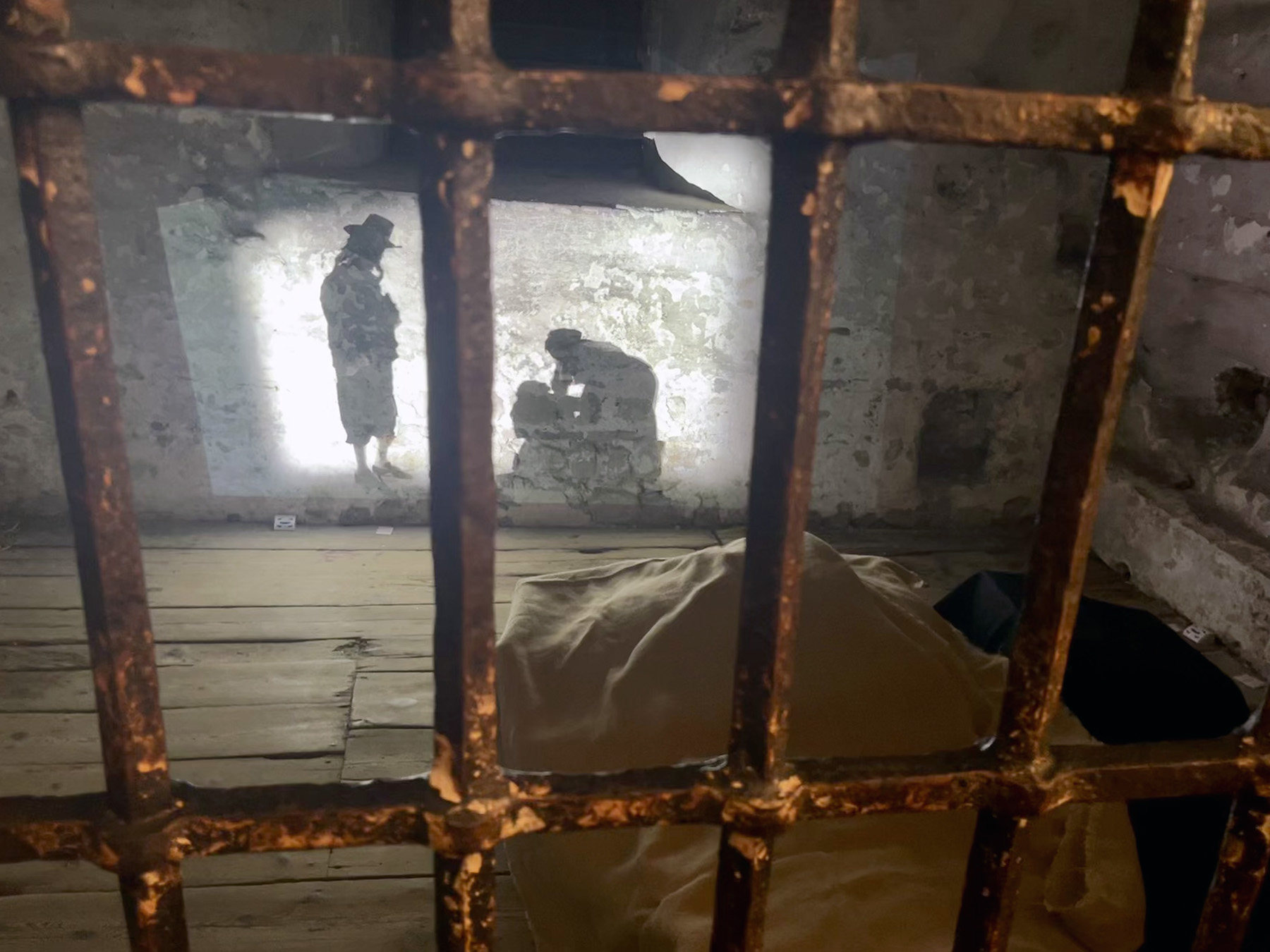
For Heritage Open Days 2026, we took a copy of Silvia Federici’s Caliban and the Witch to Colchester Castle and read several passages inside the building. In 1645, the Castle was used to imprison and interrogate women accused of witchcraft during the East Anglian persecutions associated with Matthew Hopkins. Federici does not mention Colchester itself, but she does single out Essex, noting that most English witch trials occurred here and connecting this concentration to enclosure, land privatisation, poverty and the destruction of collective forms of life.
For Federici, the witch hunt was not simply an eruption of superstition. Those accused were disproportionately poor women, while their accusers were often landlords, employers and wealthier neighbours. The persecution of “witches” was also bound up with attacks on forms of knowledge, mutual dependence and social autonomy that stood in the way of a new economic order. Reading Caliban and the Witch inside Colchester Castle makes that history unusually tangible. This was not simply a backdrop to persecution, but part of its infrastructure: a place of imprisonment, interrogation and coercion. There was also something fitting about reading a book so concerned with enclosure on the one day of the year when entry to the Castle was free. Less a remembrance of “witches,” then, than of the people who were made into witches, and of what their persecution tells us about enclosure, poverty, gender, knowledge and power.
Leave a Reply